How Much Should You Budget for Custom Glass Block Designs
Introduction
Standard glass block windows and walls already solve a lot of problems. They add privacy, improve security, and let in natural light without the maintenance issues of traditional windows.
But sometimes “standard” isn’t what you want.
Maybe you’re picturing a curved shower wall instead of a straight partition.
Maybe you want a decorative pattern that becomes a design feature.
Maybe you’re finishing a basement and want something that looks custom, not builder-grade.
That’s where custom glass block designs come in — and where budgeting gets less predictable.
If you’re planning a project in Columbus, Ohio, understanding what actually drives custom pricing will help you avoid sticker shock and make smart design choices. This guide breaks down real-world costs, what increases them, and how to plan your budget realistically before requesting quotes.
What Counts as a “Custom” Glass Block Design?
Not every installation is considered custom.
A basic, straight, fixed window or wall using standard blocks is usually priced as a standard installation.
A project becomes “custom” when you change shape, style, or function beyond typical sizes.
Custom often includes:
Curved or angled walls
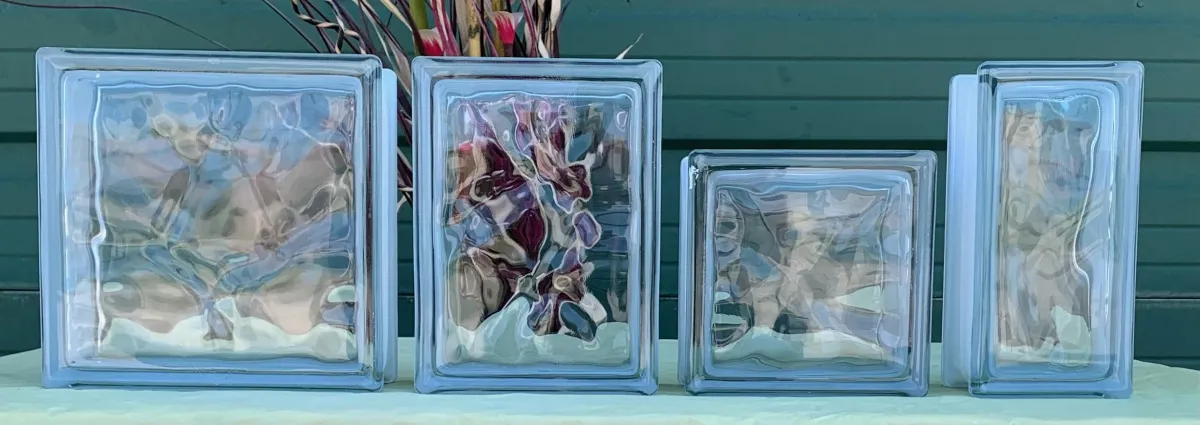
Unique block patterns or mixed textures
Colored or frosted decorative blocks
Larger feature walls
Integrated vents or specialty windows
Non-standard dimensions
Interior partitions or shower enclosures
The more design freedom you want, the more labor and fabrication time are involved — and that’s where pricing climbs.
Why Custom Glass Block Costs More Than Standard Installs
Glass block isn’t cut on-site like drywall or tile. Every block has fixed dimensions. That means custom work requires more planning and precision.
Here’s what changes behind the scenes.
Extra Layout Planning
Custom designs require detailed measurements and layout calculations to ensure:
Proper alignment
Structural strength
Clean edges
Symmetry
Installers often pre-plan block placement before the first piece is set. That time is built into the price.
More Labor Hours
Straight walls go in quickly. Curves and corners take longer.
Each extra turn or shape requires:
More cuts and adjustments
Additional framing
Slower installation
Extra sealing
More time on site means higher labor costs.
Specialty Materials
Decorative or specialty blocks cost more per unit than standard privacy blocks.
You’re not just paying for installation — you’re paying for upgraded materials.
Typical Cost Ranges for Custom Glass Block Projects
Let’s translate those factors into numbers homeowners actually see.
In general, custom glass block projects are priced by square footage, but the rate is higher than standard installs.
Per Square Foot Pricing
Standard glass block: $25–$45 per sq ft installed
Custom designs: $45–$85+ per sq ft installed
Complex shapes or specialty materials can exceed this range.
Common Custom Project Budgets
These aren’t “luxury-only” numbers — they reflect real installations across Columbus homes where homeowners wanted something beyond a basic window replacement.
The Biggest Pricing Factors (And How Much They Matter)
Not all custom features affect pricing equally. Some changes add only a little, while others double your costs.
Here’s what impacts your budget most.
1. Wall Size
This is the foundation of pricing.
More square footage means:
More blocks
More mortar or spacers
More labor
Even a simple design gets expensive when it’s large.
2. Shape and Complexity
Shapes add cost faster than size.
For example:
Straight wall → baseline pricing
L-shaped corner → moderate increase
Curved wall → significant increase
Multi-angle or artistic layout → highest
Curves require special assembly and slower installation, which drives labor costs up quickly.
3. Block Style
Block selection dramatically affects materials pricing.
Basic privacy blocks are the most affordable. Premium options increase the price per block.
Higher-cost examples include:
Frosted glass
Colored blocks
Textured patterns
Designer series
Energy-efficient insulated units
If your goal is staying on budget, mixing decorative blocks as accents rather than using them everywhere helps control costs.
4. Ventilation or Functionality
Adding vents, operable windows, or inserts adds:
Hardware
Framing
Extra sealing
Each functional feature adds to both materials and labor.
5. Site Conditions
Hidden conditions often surprise homeowners.
Older Columbus homes sometimes require:
Masonry repair
Frame rebuilding
Waterproofing
Demo work
Prep work can add hundreds or thousands depending on the condition of the opening.
How Columbus Homes Influence Pricing
Local housing styles affect costs more than many people expect.
In Columbus, many homes were built decades ago with:
Small basement windows
Non-standard dimensions
Masonry block foundations
Older steel frames
These factors often require custom sizing and extra prep.
While this can increase installation time, it also makes glass block a popular choice because it handles moisture, security, and insulation better than traditional windows.
So while custom work may cost more upfront, it often solves multiple problems at once.
Smart Ways to Keep Custom Costs Under Control
If you love the look of custom glass block but don’t want premium pricing, there are ways to balance design and budget.
Use simple shapes
Straight lines are cheaper than curves.
Mix materials
Use decorative blocks as accents instead of full walls.
Limit vents
Only add airflow where necessary.
Bundle projects
Installing multiple windows or walls together lowers per-unit labor.
Plan early
Last-minute design changes often add unnecessary costs.
Small design decisions can shave thousands off your final quote.
When Custom Glass Block Is Worth the Investment
Custom designs aren’t just about aesthetics. They often add functional value too.
Homeowners typically choose custom work when they want:
More natural light
Increased privacy
Unique architectural features
Moisture-resistant bathroom or basement walls
Long-term durability
Unlike drywall or framed windows, glass block doesn’t rot, warp, or require repainting. Many installations last decades with minimal maintenance.
That longevity often justifies the higher upfront investment.
How to Estimate Your Budget Before Getting Quotes
You can get surprisingly close to a realistic number using this quick approach.
Step 1 – Measure your wall area
Width × height = square footage
Step 2 – Multiply by your target range
For custom designs, use $50–$80 per sq ft as a planning estimate
Step 3 – Add features
Include vents, decorative blocks, or specialty shapes
Step 4 – Add contingency
Budget 10–15% for prep or framing repairs
This gives you a comfortable range before talking to an installer.
FAQs About Custom Glass Block Pricing
Are custom glass block walls much more expensive than standard ones?
Yes, mainly due to added labor and specialty materials, but the visual impact and durability often justify the cost.
Do curved walls cost more than straight walls?
Yes. Curves require more time and precision, increasing labor significantly.
Can I customize just part of the design?
Absolutely. Many homeowners use decorative accents to control costs.
How long do custom installations take?
Small projects may take one day, while larger or complex designs can take several days.
Do custom designs increase home value?
They often improve aesthetics and functionality, which can enhance resale appeal.
Conclusion
Custom glass block designs give you flexibility that standard windows and walls simply can’t match. Whether it’s a curved shower wall, a decorative basement feature, or a statement partition, the right design can completely change how a space feels and functions.
The key is understanding where your money goes — size, shape, materials, and prep work all matter. With smart planning, you can create something unique without overspending. Homeowners across Columbus often turn to experienced specialists like The Glass Block Warehouse for guidance on balancing design goals with realistic budgets, ensuring the final result looks custom and built to last.
