Is Installing Glass Block Vents Cost-Effective for Energy Savings?
Introduction
If you’ve ever walked into a damp basement or a steamy bathroom and felt that heavy, stale air, you already know the problem: ventilation matters.
But when homeowners start looking at glass block windows, they often hit a small dilemma.
Glass block is great for insulation and privacy…
So does adding a vent defeat the purpose?
It’s a fair question. You want airflow, but you don’t want higher heating bills or drafts — especially during winter in Columbus, Ohio, where cold air leaks can noticeably impact energy costs.
The good news is that properly installed glass block vents can absolutely be cost-effective. The key is choosing the right type, placement, and installation method.
This guide breaks down when vents save you money, when they don’t, and how to decide what’s worth it for your home.
What Are Glass Block Vents?
Before talking numbers, it helps to clarify what we mean by vents.
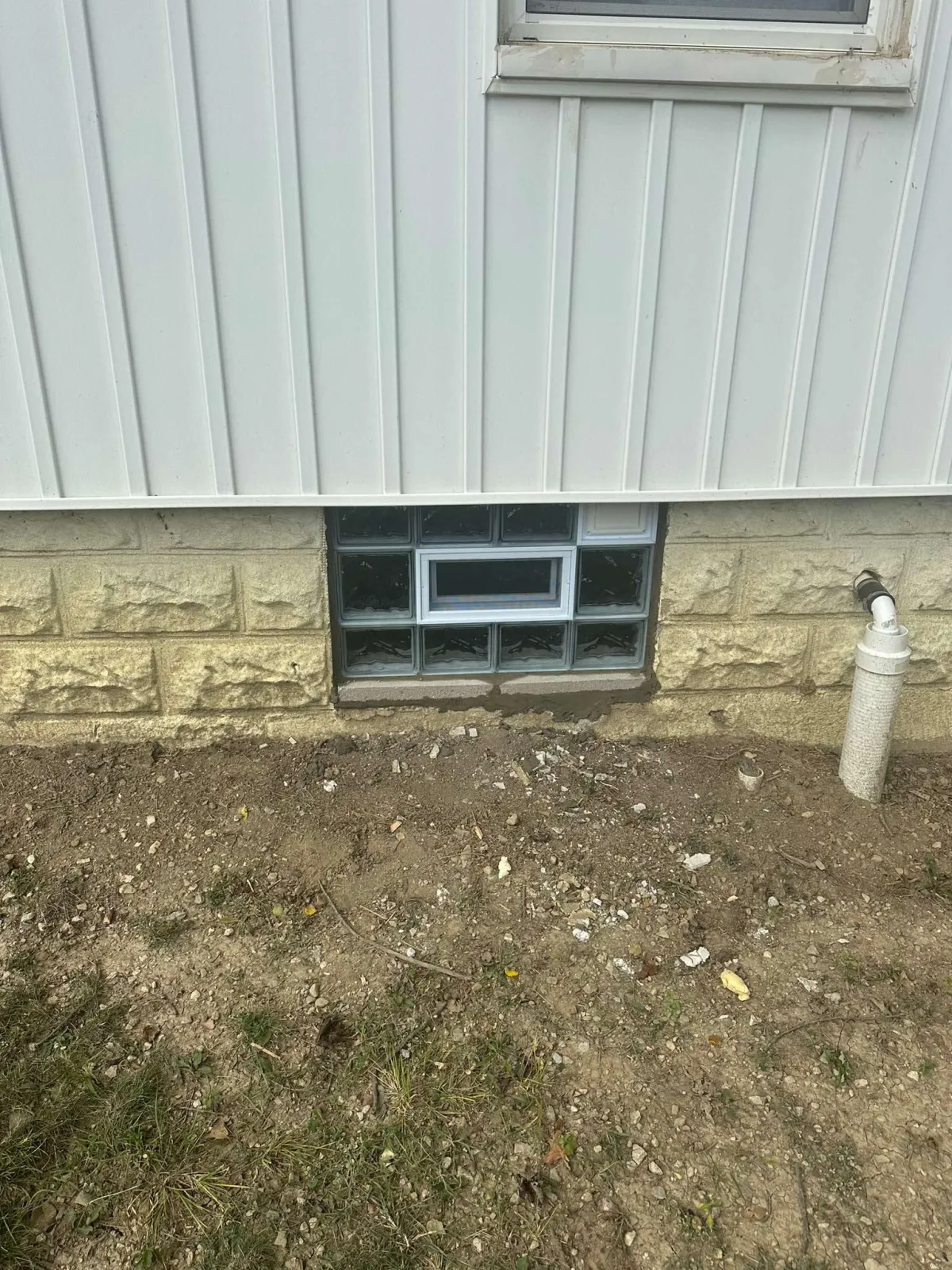
A glass block vent is a small operable unit built directly into a glass block window panel. It allows controlled airflow without sacrificing the security and durability that glass block provides.
Common types include:
Hopper-style vents that tilt open inward
Dryer vents for laundry rooms
Bathroom exhaust vents
Fresh air intake vents with screens
Unlike traditional sliding or sash windows, these vents are compact, sealed tightly when closed, and designed specifically to reduce air leakage.
So you’re not “opening the whole window” — you’re allowing targeted airflow only when needed.
How Glass Block Windows Improve Energy Efficiency in the First Place
To understand whether vents are cost-effective, you first need to know why glass block windows are energy efficient.
Most glass block systems provide:
Thick solid glass construction
Sealed mortar or vinyl spacer joints
Minimal moving parts
Insulated or double-sealed blocks
Strong air and moisture barriers
Compared to old metal-frame or single-pane basement windows, glass block significantly reduces:
Drafts
Heat loss
Condensation
Air infiltration
Many Columbus homes built decades ago still have outdated basement windows that leak air year-round. Simply replacing them with glass block can already lower heating and cooling costs.
So the base system is efficient. The question becomes: what happens when you add a vent?
Do Vents Increase Energy Loss?
Short answer: not if they’re installed correctly.
Modern glass block vents are designed differently from traditional windows.
When closed, quality vents:
Use compression seals or weatherstripping
Lock tightly into the frame
Prevent noticeable drafts
Maintain insulation levels close to fixed blocks
That means the energy difference between a fixed block panel and a sealed vent is often minimal.
In real-world use, most heat loss happens when:
The vent is left open too long
The seal is damaged
Cheap hardware is used
Installation gaps weren’t sealed properly
So the vent itself isn’t the problem. Poor installation is.
When Glass Block Vents Actually Save You Money
This is where many homeowners get surprised.
In some cases, vents can reduce energy costs rather than increase them.
Here’s how.
Reducing Humidity
Basements and bathrooms trap moisture. Without airflow, that moisture forces HVAC systems to work harder.
High humidity makes your home feel warmer in summer and colder in winter, which leads to:
More AC usage
More heating cycles
Higher energy bills
Controlled ventilation helps regulate indoor humidity naturally, reducing system strain.
Preventing Mold and Damage
Moist air leads to:
Mold growth
Wood rot
Insulation damage
Repairs from moisture problems cost far more than the slight energy loss from a properly sealed vent.
Good airflow protects your home’s structure and prevents expensive fixes later.
Improving Air Circulation
Fresh air reduces stale air pockets and improves comfort. When rooms feel comfortable naturally, homeowners rely less on constant heating or cooling adjustments.
Better circulation = less HVAC use.
When Vents Might Not Be Worth It
While vents are helpful in many situations, they aren’t necessary everywhere.
Adding vents may not be cost-effective if:
The room already has adequate mechanical ventilation
The space is fully conditioned and dry
The window is rarely opened
Security concerns outweigh airflow needs
For example, a storage-only basement with no moisture issues may not benefit much from added ventilation.
In that case, a fixed glass block window is simpler and slightly cheaper.
Comparing Costs: Fixed vs Vent Glass Block Windows
Let’s look at the numbers.
Here’s how pricing typically compares for homeowners in Columbus.
A vent often adds $100–$300 depending on size and hardware.
So the real question isn’t “Is it more expensive?” — it’s “Will the benefit justify the difference?”
In humid spaces like bathrooms or laundry rooms, that small increase often pays for itself quickly through comfort and moisture control.
Where Vents Make the Most Sense
Some areas of the home benefit more than others.
Basements
Basements trap moisture easily. Controlled airflow helps prevent dampness and musty smells.
Bathrooms
Privacy plus ventilation is ideal here. Glass block provides light while vents release steam.
Laundry Rooms
Dryers create heat and humidity. Adding a vent improves air quality and efficiency.
Garages
Fresh air helps reduce fumes and stale air buildup.
In these spaces, vents often provide practical and energy-related benefits.
How to Maximize Energy Savings with Glass Block Vents
If you decide to add vents, smart choices make a big difference.
Choose insulated blocks
Better insulation reduces overall heat transfer.
Install quality hardware
High-grade seals prevent air leakage.
Use vents strategically
Open them only when needed rather than leaving them open all day.
Ensure professional installation
Proper sealing around the frame is critical.
Small gaps cause far more energy loss than the vent itself.
The Columbus Climate Factor
In Columbus, homes deal with humid summers and cold winters. That seasonal swing makes ventilation and insulation equally important.
During summer, vents help release trapped humidity.
During winter, sealed glass block keeps cold air out.
This balance is why many homeowners choose glass block systems with selective ventilation rather than traditional sliding windows that leak year-round.
It’s about controlled airflow instead of constant drafts.
FAQs About Glass Block Vents and Energy Savings
Do glass block vents cause drafts?
Not when closed properly. Quality vents seal tightly and prevent noticeable air leakage.
Are vents necessary for every window?
No. Only add them where airflow is actually needed.
Will vents increase my heating bill?
Minimal impact if sealed correctly. Poor installation causes more loss than the vent itself.
Can I add vents later?
Usually yes, but it’s more cost-effective to include them during initial installation.
Do vents affect security?
Glass block vents are small and lockable, maintaining much better security than traditional windows.
Conclusion
Glass block vents aren’t automatically an added expense — in many homes, they’re a practical upgrade that improves comfort, reduces humidity, and protects your space from moisture damage. When used strategically and installed correctly, they can support energy efficiency rather than hurt it.
For homeowners in Columbus weighing their options, experienced local teams like The Glass Block Warehouse help determine where vents truly make sense and where a fixed panel is the better choice. That balanced approach keeps your installation efficient, durable, and cost-effective for the long term.
