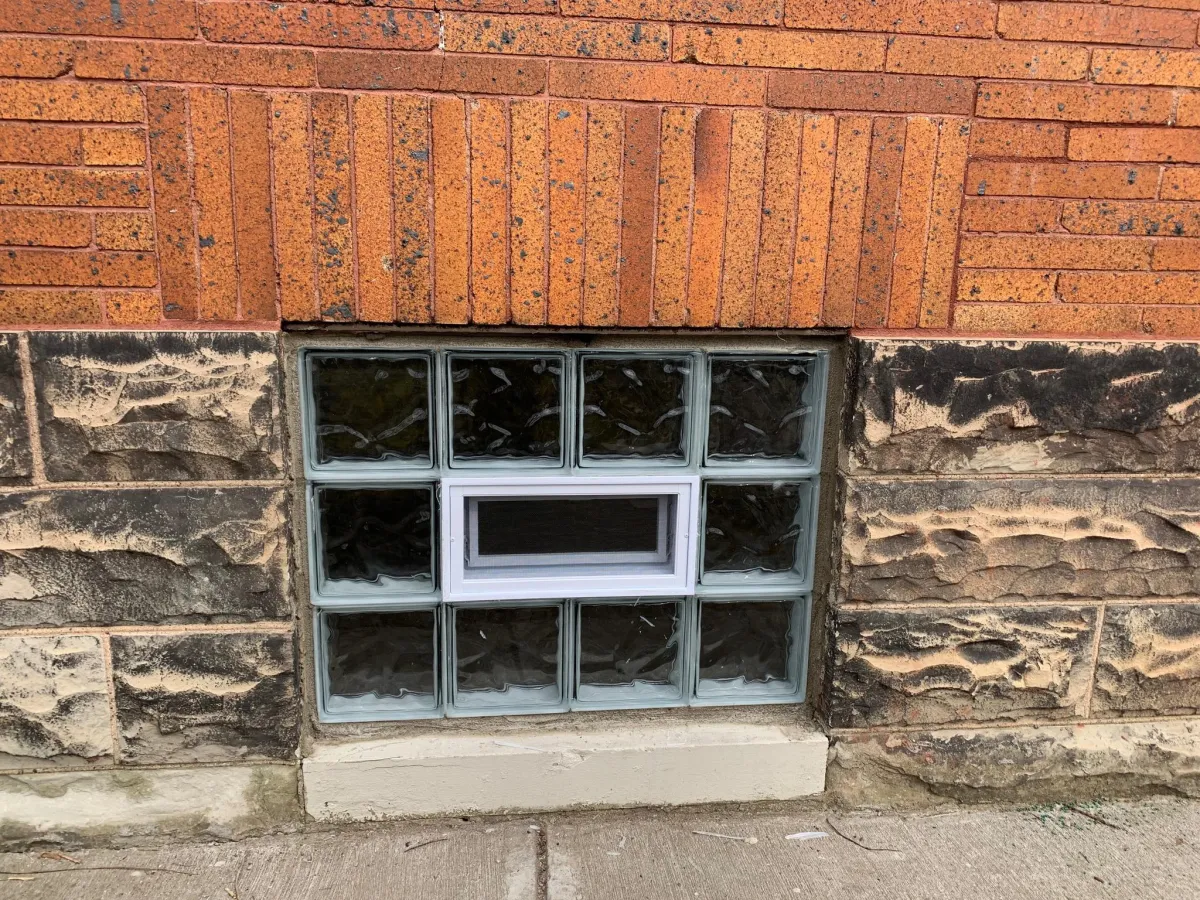
What Factors Affect Glass Block Window Pricing for Homeowners
Introduction
Replacing old windows sounds simple at first. You measure the opening, pick a style, and expect a straightforward price.
Then the quotes come back — and the numbers vary more than you expected.
Some glass block windows cost a few hundred dollars. Others run into the thousands. Same material, same house… so what changed?
For homeowners in Columbus, Ohio, pricing differences usually come down to installation complexity, insulation needs, ventilation options, and the condition of the existing opening. Glass block windows aren’t “one-size-fits-all,” and that’s exactly why costs move.
This guide breaks down what actually affects pricing, so you can understand quotes clearly and plan your project with confidence.
What Determines the Price of a Glass Block Window?
Glass block windows are a system, not just a piece of glass. You’re paying for materials, customization, labor, and long-term performance.
Below are the core pricing drivers homeowners should know.
Block Type and Design
Not all glass blocks are created equal.
Basic privacy blocks are the most affordable. Decorative or specialty styles increase the price per block.
Common options include:
Standard wavy privacy blocks
Frosted or obscure finishes
Patterned or designer textures
Colored or tinted glass
Energy-efficient insulated blocks
If your goal is simple privacy and light, standard blocks keep costs down. If you want a design feature or custom look, expect higher material costs.
Window Size and Opening Dimensions
This is one of the biggest cost factors.
Glass block windows are built to fit the exact opening. Larger windows require:
More blocks
More framing
More labor
But size isn’t just about square footage.
Older Columbus homes often have irregular or non-standard openings. Custom fitting takes extra time and increases fabrication costs compared to standard basement window sizes.
Installation Method
How the window is assembled and installed changes labor pricing significantly.
Mortar installation
Traditional and extremely durable
Longer install time
Higher labor cost
Mortarless (vinyl spacer) systems
Faster to install
Cleaner process
Often more affordable labor
For many residential projects, mortarless systems reduce total cost without sacrificing performance.
Ventilation Options
A fixed glass block window costs less than one that opens.
Adding airflow increases both materials and installation time.
Popular choices include:
Hopper vents
Dryer vents
Bathroom exhaust vents
Fresh air vents
Each added vent requires framing and sealing work, which increases the overall price.
If ventilation isn’t necessary, sticking with fixed panels saves money.
Energy Efficiency Features
Modern glass block windows often include insulation upgrades.
These features cost more upfront but can lower heating bills long term.
Examples include:
Double-sealed insulated blocks
Foam perimeter insulation
Thermal spacers
Weather-sealed frames
In Ohio’s cold winters, many homeowners choose these upgrades to prevent drafts and heat loss, even though they slightly increase installation cost.
Removal and Prep Work
What’s already in your wall matters.
Replacing a clean, intact window frame is quick. Removing damaged or outdated materials is not.
Additional charges often come from:
Old window removal
Rusted steel frame removal
Rot repair
Masonry fixes
Waterproofing
Basements especially tend to hide moisture or foundation issues, which can add labor unexpectedly.
Accessibility of the Installation Area
Where the window is located affects labor time.
Easy-to-access openings are cheaper to install. Hard-to-reach areas cost more.
For example:
The more difficult the access, the more labor hours required.
Typical Glass Block Window Costs in Columbus
Now let’s translate those factors into real numbers.
While every project is unique, these ranges reflect what many homeowners see locally.
Per Window Pricing
Most installed glass block windows fall between:
$350–$900 per window
The lower end typically includes:
Standard size
Basic blocks
No vents
Simple replacement
The higher end usually involves:
Larger or custom openings
Vents
Insulated blocks
Extra framing or repairs
Common Project Examples
Bundling multiple windows often reduces per-unit cost because labor is shared across the project.
Why Glass Block Pricing Makes Sense Long Term
At first glance, glass block windows may cost more than standard vinyl or slider windows.
But the value shows up over time.
They typically offer:
Stronger security
No rotting or rusting
Minimal maintenance
Excellent moisture resistance
Long lifespan (often decades)
Traditional basement windows frequently need replacement every 10–15 years. Glass block often lasts much longer with little upkeep.
That durability offsets the higher initial price.
How to Estimate Your Window Budget Before Calling an Installer
If you want a quick planning method, use this simple process.
Step 1 – Count the Windows
How many openings need replacement?
Step 2 – Measure Each Opening
Standard sizes cost less. Custom sizes may increase pricing.
Step 3 – Decide on Vents
Only add ventilation where needed.
Step 4 – Choose Insulation Level
Basements benefit most from insulated blocks.
Step 5 – Add a Cushion
Include 10–15% for hidden repairs or moisture issues.
This gives you a realistic range before requesting quotes.
FAQs About Glass Block Window Pricing
Are glass block windows more expensive than regular windows?
Yes upfront, but they typically last longer and require less maintenance, making them cost-effective over time.
Does adding a vent increase the price a lot?
It adds moderate cost due to extra framing and hardware but improves airflow where needed.
Can I replace just one window at a time?
Yes, though replacing multiple windows together usually lowers overall labor costs.
Are glass block windows energy efficient?
Yes. Insulated blocks and sealed frames help reduce drafts and heat loss.
How long does installation take?
Most single windows take a few hours. Multiple replacements are often completed in one day.
Conclusion
Glass block window pricing isn’t random — it’s shaped by design choices, ventilation needs, insulation features, and the condition of your existing openings. Once you understand those factors, estimates make a lot more sense.
For many homes around Columbus, glass block windows provide a practical mix of privacy, light, and durability that standard windows can’t match. Working with experienced local specialists — like The Glass Block Warehouse — helps ensure you get the right configuration without paying for upgrades you don’t actually need.
With the right planning, you can balance cost, performance, and longevity in one smart upgrade.
