What Maintenance Does Glass Block Windows Need Over Time
Introduction
Most homeowners don’t think about window maintenance until something goes wrong.
Paint starts peeling. Frames rot. Hardware sticks. Drafts sneak in. Suddenly, a “simple window” turns into repairs, replacements, or ongoing upkeep you didn’t plan for.
That’s exactly why many people consider glass block in the first place — it has a reputation for being low maintenance.
But “low maintenance” doesn’t mean “zero maintenance.”
If you’re installing or already have glass block windows in your home, especially in moisture-prone areas like basements and bathrooms, it helps to know what care they actually need over time.
For homes in Columbus, Ohio, where winters are cold and summers humid, the good news is simple: upkeep is minimal and straightforward. Still, a few small habits can keep your windows performing like new for decades.
Here’s what to expect.
The Short Answer
If you want the quick version before diving deeper:
Glass block windows typically require:
Occasional cleaning
Periodic seal inspection
Minor hardware care for vents
Basic moisture checks
That’s it.
There’s no painting, staining, or frame repairs like you’d deal with on traditional windows.
Now let’s look at each area more closely.
Why Glass Block Needs Less Maintenance Than Traditional Windows
Before listing tasks, it helps to understand why upkeep is so light in the first place.
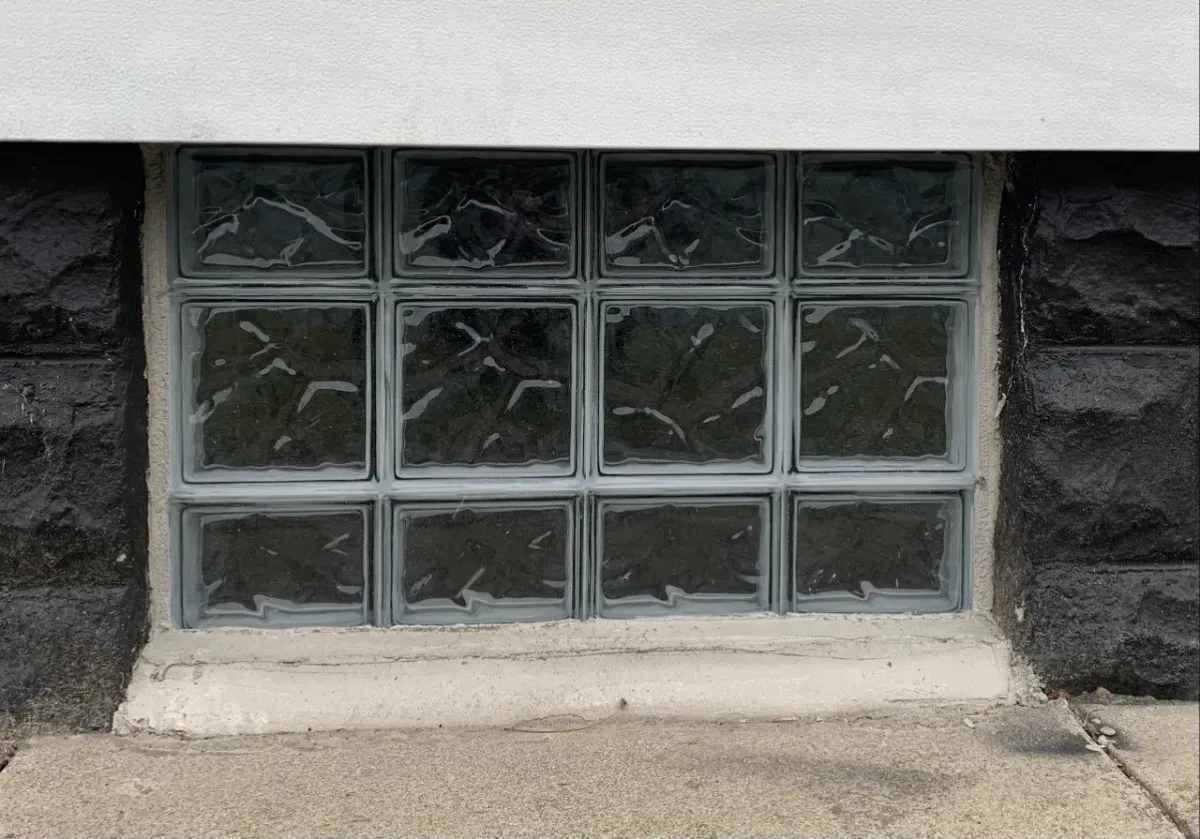
Glass block systems are built differently from standard windows. There are no sliding tracks, hinges, wood frames, or thin panes. Instead, you have thick solid glass blocks sealed together into one rigid unit.
Because of that design, there are simply fewer parts that can wear out.
No moving sashes means no mechanical failures. No wood means no rot. No thin frames means fewer drafts and less deterioration.
This simplicity is the main reason maintenance stays minimal over time.
Routine Care: What to Do Throughout the Year
For everyday upkeep, simple cleaning and visual checks are usually all that’s needed. These small habits prevent bigger issues later.
Cleaning the glass surface
Dust, pollen, and everyday grime build up on any window. Glass block is no different.
Cleaning is straightforward. A soft cloth, mild soap, and water are usually enough. Avoid abrasive pads or harsh chemicals that could dull the finish or damage sealant.
Most homeowners clean their glass block windows at the same time they clean the rest of their windows — a few times a year.
Checking the seals
The perimeter seal around the window keeps out air and moisture. Over time, exposure to weather can cause caulk or sealant to shrink or crack.
During routine cleaning, take a moment to look at the edges. If you notice gaps or separation, resealing is quick and inexpensive. Catching it early prevents leaks or drafts.
Maintaining vent hardware
If your window includes a hopper or fresh-air vent, it’s the only moving part that needs occasional attention.
Open and close it periodically to keep it operating smoothly. If needed, a small amount of lubricant on hinges or locks keeps everything working properly.
Because vents are compact and simple, maintenance is minimal compared to full-size operable windows.
Seasonal Checks That Make a Difference
Columbus weather brings freezing winters and humid summers, which means seasonal inspections are helpful.
Rather than constant upkeep, a quick check twice a year is usually enough.
Before winter
Cold air finds weak spots fast. Before temperatures drop, inspect seals and make sure everything is tight. This helps prevent drafts and keeps heating costs down.
After heavy rain or storms
Look for any signs of moisture around the frame. Glass block itself resists water well, but it’s smart to confirm that surrounding masonry and sealant remain intact.
During humid months
Basements can trap moisture. If you have vents, use them to improve airflow and reduce condensation buildup.
These simple checks take minutes but help maintain long-term performance.
Long-Term Maintenance Expectations
Glass block windows are known for durability. Instead of frequent repairs, maintenance tends to be spaced out over years.
Here’s what homeowners typically experience over the long run.
Most systems last decades without major service.
Compared to wood or vinyl windows that may need repairs or replacement within 10–15 years, glass block is much more hands-off.
Problems You’re Unlikely to Deal With
One reason glass block is popular for basements and bathrooms is that it avoids many common window headaches.
Homeowners typically don’t have to worry about:
Rotting frames
Rusted metal
Warping from humidity
Peeling paint
Broken balances or tracks
Foggy insulated panes
Those issues simply don’t exist with solid glass construction.
That’s a big part of the long-term value.
When Maintenance Might Be Needed
While rare, there are situations where a little extra attention is helpful.
After foundation or structural movement
If your home settles, you may notice small cracks around the surrounding masonry. Resealing usually solves it quickly.
If a vent is used heavily
Frequently opened vents may eventually need minor hardware adjustments or replacement parts.
If the sealant ages
After many years, caulk can dry out. Reapplying sealant restores weather protection easily.
These aren’t frequent problems, but knowing what to watch for helps you stay ahead of them.
Comparing Maintenance: Glass Block vs Traditional Windows
To put things in perspective, it helps to see how glass block stacks up against common alternatives.
For most homeowners, this difference alone justifies the switch.
How to Make Them Last Even Longer
If you want to maximize lifespan, a few simple habits go a long way.
First, clean the glass regularly to prevent buildup. Second, inspect seals once or twice a year. Third, address small issues early rather than waiting.
These quick steps keep everything functioning efficiently and help you avoid unnecessary repairs.
It’s more about awareness than active maintenance.
FAQs About Glass Block Window Maintenance
Do glass block windows ever need repainting or refinishing?
No. Glass and vinyl or mortar joints don’t require paint or staining like wood or metal frames.
How often should seals be checked?
Twice a year is usually enough — once before winter and once after heavy rain seasons.
Can the glass blocks crack easily?
No. They’re thick and durable. Damage is rare unless impacted by something heavy.
Do vents require maintenance?
Only occasional cleaning and light lubrication if they feel stiff. They’re simple mechanisms.
How long do glass block windows typically last?
Many last several decades with minimal upkeep, far longer than many traditional window types.
Conclusion
Glass block windows are popular for a reason — they’re one of the lowest-maintenance window options available. With no frames to rot, no paint to peel, and almost no moving parts, upkeep is mostly limited to basic cleaning and occasional seal checks.
For homeowners in Columbus, especially those finishing basements or bathrooms, that simplicity means fewer repairs and less hassle over time. If you’re considering installation or want long-lasting performance, experienced local providers like The Glass Block Warehouse can help you choose systems designed for durability from the start.
In most cases, once they’re installed, you’ll barely have to think about them again — which is exactly how windows should be.
